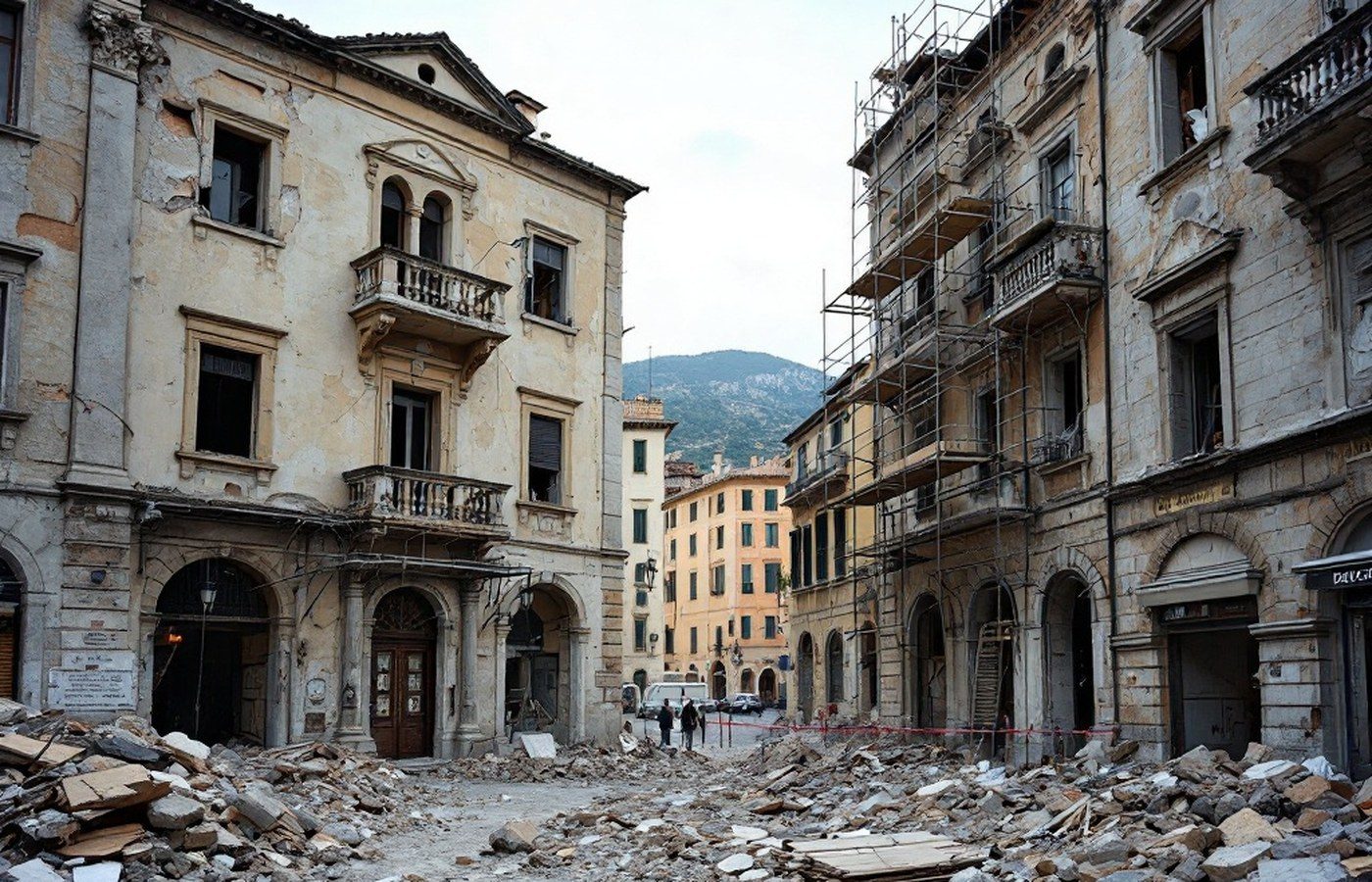
The April of 2009 was a very bad time for the people of Italy — and far worse for the citizens of L’Aquila. Although nine years have passed since the earthquake jolted parts of the country, the memories still stick with us, and they are nothing close to pleasant. The earthquake originated in the region of Abruzzo and was calculated at a magnitude of 5.8 to 5.9 on the Richter scale. L’Aquila, the capital of Abruzzo, lay at its epicentre — which is why it took the greatest damage. As a result of this earthquake 308 people lost their lives, a figure that made it one of Italy’s deadliest earthquakes in recent decades. The city took years to rebuild, and is today home to some of the best hotels in the region.
The Italian government was quick to take action against the National Commission for the Forecast and Prevention of Major Risks, believing it had given incomplete information about the danger of the earthquake. In October 2012, more than three years later, six scientists and one official were convicted for failing to recognise the risk of such a major event. Moment tensor solutions indicated that the earthquake was caused by movement on an NW–SE normal fault.
Historically speaking, the city of L’Aquila has survived a great number of earthquakes. The main reason is that the city is built on the bed of an ancient lake, meaning the soil underneath is very loose — a condition that amplifies seismic waves. Look back through the city’s history and you will find it has been struck repeatedly:
- 1315
- 1349
- 1452
- 1501
- 1646
- 1703
- 1706
- 1958
- 2009
The largest of these was the earthquake that hit the central parts of Italy in 1703 and killed almost 5,000 people.
The Various Impacts Of The Earthquake
The 2009 earthquake in L’Aquila was devastating, and no one knows that better than its people. It left a huge mark on the economy, the culture and the social life of the city.
Social Impact
The social impact the earthquake had on L’Aquila was massive — there is no denying it. Over 300 people lost their lives, while another 1,500 were injured. More than 15,000 buildings were damaged or destroyed, among them several historical ones. Around 70,000 people were left homeless and forced to seek new places to live; many lost their jobs; and over 28,000 students had to leave the area without completing their studies. Countless lives were touched by this earthquake, and none of them for the better.
Cultural Impact
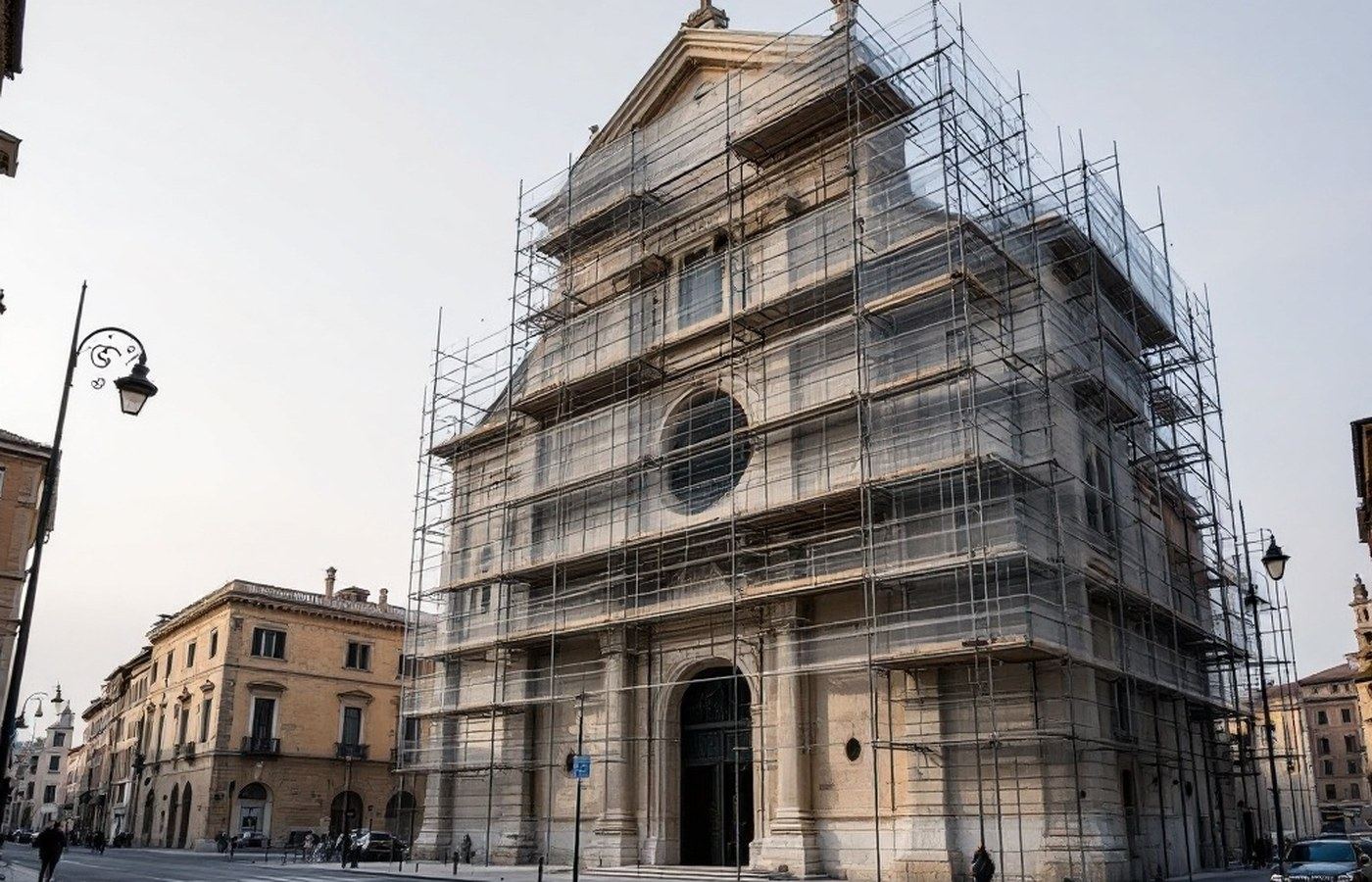
History is what the city of L’Aquila is all about — it is its soul and its culture, and without it the city is incomplete. When the earthquake struck, a number of historical buildings were destroyed, some of them dating back to the 13th century.
Impact On The Economy
Many of the buildings in L’Aquila were poorly constructed, which is why they could not withstand the earthquake. The damage was so extensive that the Italian government had to spend around $15 billion on restoration efforts.
Nine years have passed, but it still seems like yesterday.Noi L’Aquila · History
Conclusion
The 2009 earthquake in L’Aquila is one of the saddest chapters in the history of the region. No one likes to recall such events — yet if we want to understand earthquakes, and how to withstand them, it is important that we do. Nine years have passed, but it still seems like yesterday.